How to tell if you really have bed bugs, where to check, and what treatment involves.
By the PestControlSingapore technical team · Reviewed by our in-house entomologists · Updated 2 Nov 2026 · 6 min read
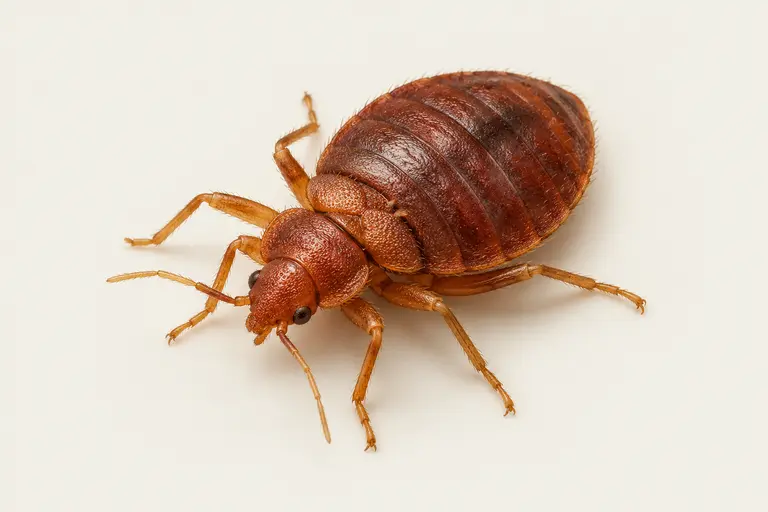
Short answerThe clearest bed bug signs are small rust or black spots on mattress seams, shed skins and pale eggs in crevices, and live flat reddish-brown bugs about the size of an apple seed. Bites alone aren’t proof — many insects bite. If you find signs, don’t move furniture between rooms; book an inspection and follow a multi-visit treatment plan.
Bed bug bites
Bed bug bites often appear in a line or cluster on exposed skin — arms, neck, shoulders, legs — and usually show up in the morning. Some people don’t react at all, so a lack of bites doesn’t mean no bed bugs.
How to check for bed bugs
Strip the bed and check mattress seams, piping and tags with a torch
Check the bed frame joints, screw holes and headboard
Check sofa seams and cushions
Check skirting, sockets and curtain folds near the bed
Look for black spots (droppings), blood smears, shed skins, eggs and live bugs.
How bed bugs spread in Singapore
Bed bugs hitchhike in luggage, second-hand furniture, shared accommodation and dormitories. The tropical bed bug (Cimex hemipterus) is common here.
Found signs of bed bugs?
Our licensed technicians can inspect and treat — same-day slots available.
Don’t use foggers — they scatter bed bugs into walls
Don’t sleep in another room — they follow you
Don’t throw out furniture before inspection
What professional treatment involves
Effective bed bug treatment is 2–3 visits about 10–14 days apart: a detailed inspection, targeted treatment of every harbourage, steam for fabrics, and follow-ups to kill nymphs that hatch from eggs.
FAQ
Frequently asked questions
Can’t see your question? Call or WhatsApp us — a technician will answer directly.
Can bed bugs live in clothes?
They can hide in clothes and bags, which is how they spread. Hot-wash and dry at high heat.
Do bed bugs mean my home is dirty?
No — they feed on blood, not dirt.
How fast do bed bugs spread?
A small infestation can spread to other rooms within weeks.
HACCP pest control: the audit checklist for Singapore food businesses
What food safety auditors look for in your pest control — and how to pass first time.
By the PestControlSingapore technical team · Reviewed by our in-house entomologists · Updated 2 Nov 2026 · 7 min read
Short answerHACCP pest control must be a documented prevention programme: a contractor with valid licences, a pest risk assessment, a numbered device map, service reports, trend analysis, corrective action records, product safety data sheets and staff awareness. Toxic baits should not be used inside food handling areas.
What auditors want to see
Auditors assess whether pest control is planned, monitored and acted on — not just whether a contractor visits.
Pest control audit checklist
Contract and scope of service
Contractor licence and technician licences
Insurance certificate
Pest risk assessment (reviewed annually)
Numbered device map, current
Service reports for every visit
Trend analysis of catches/activity
Corrective actions with sign-off
Safety data sheets and approved product list
Fly light servicing and tube change records
Audit coming up?
Our licensed technicians can inspect and treat — same-day slots available.
Hotel bed bug prevention: a guide for Singapore hoteliers
How to catch bed bugs early, respond fast and protect your reviews.
By the PestControlSingapore technical team · Reviewed by our in-house entomologists · Updated 2 Nov 2026 · 6 min read
Short answerHotel bed bug prevention relies on trained housekeeping checks at every turnover, a clear response protocol (isolate, inspect, treat, re-check), proactive room inspections on rotation, bed bug-proof mattress encasements, and a pest control partner that can treat rooms fast so they return to inventory quickly.
Why hotels get bed bugs
Bed bugs arrive in guests’ luggage — they are not a sign of poor cleanliness. What matters is how quickly they are detected and contained.
Housekeeping checks
Check mattress seams, piping and headboards at every bed change
Look for black spots, shed skins and live bugs
Check luggage racks and sofa seams
Room response protocol
Take the room out of service
Bag linens for hot washing
Call your pest control provider
Inspect adjacent rooms
Treat and re-check before release
Protect your hotel’s reviews
Our licensed technicians can inspect and treat — same-day slots available.
How to get rid of cockroaches for good — a technician’s guide to why they keep coming back and what actually works.
By the PestControlSingapore technical team · Reviewed by our in-house entomologists · Updated 2 Nov 2026 · 6 min read
Short answerTo get rid of cockroaches in Singapore, identify whether you have American (drain) or German (kitchen) cockroaches, remove food and water sources, use gel bait in cracks rather than spray, keep floor traps covered and wet, and seal gaps. If you see them in daytime or every night, the population is large and professional treatment is faster.
1. Identify which cockroach you have
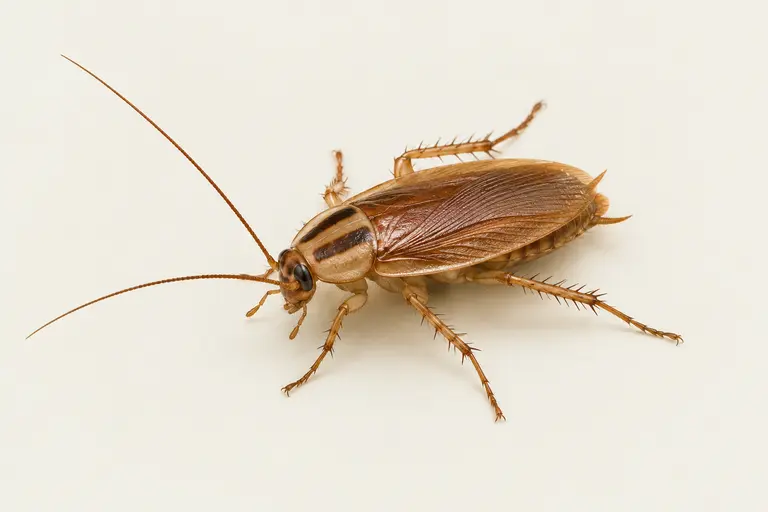
Singapore homes mostly deal with two species. American cockroaches are large (3–4 cm), reddish-brown and often fly; they live in drains, sewers and bin chutes and enter through floor traps. German cockroaches are small (about 1.5 cm) and light brown with two dark stripes; they live and breed inside kitchens — in hinges, appliances and cabinet corners. The treatment is different for each.
2. Look for cockroach infestation signs
Droppings like ground pepper or coffee grounds in drawers and corners
Brown egg cases behind appliances and in hinges
A musty, oily smell
Sightings during the day — usually means a large hidden population
3. Cut off food, water and shelter
Wipe counters at night, store food in sealed containers, don’t leave pet food out, fix dripping taps, and take rubbish out daily. Declutter cardboard boxes — German cockroaches love them.
4. Bait, don’t spray
Spray kills the cockroaches you hit but scatters the rest. Gel bait placed in cracks, hinges and behind appliances is eaten and carried back, killing others in the nest. Insect growth regulators (IGR) stop nymphs from becoming breeding adults.
Cockroaches every night?
Our licensed technicians can inspect and treat — same-day slots available.
For American cockroaches, keep floor traps wet (dry traps let them climb up), use floor trap covers, and seal gaps around pipes under sinks.
6. Cockroach prevention routine
Weekly: pour hot water down floor traps; check under sinks
Monthly: clean behind the fridge and stove
Always: check boxes and second-hand appliances before bringing them in
When to call a professional
If you see cockroaches every night, in the day, or in multiple rooms — or you run a food business — professional cockroach control is quicker and cheaper than months of DIY.
FAQ
Frequently asked questions
Can’t see your question? Call or WhatsApp us — a technician will answer directly.
What kills cockroaches instantly?
Contact sprays kill instantly but don’t solve infestations. Baits work slower but wipe out the nest.
Why do I have cockroaches in a clean house?
American cockroaches come up from drains regardless of cleanliness; German cockroaches arrive in boxes and appliances.
Do cockroaches come from neighbours?
They can travel through shared drains, chutes and pipe gaps.
Marine vessel pest control in Singapore: a guide for ship managers
Common pests on board, ship sanitation inspections, and how to book attendance while in port.
By the PestControlSingapore technical team · Reviewed by our in-house entomologists · Updated 2 Nov 2026 · 6 min read
Short answerMarine vessel pest control in Singapore is usually carried out while a ship is at berth, in a shipyard or at anchorage. The most common issues are German cockroaches in galleys and provision stores, rodents in holds and stores, and bed bugs in crew cabins. Treatment reports support the vessel’s preparation for Ship Sanitation Certificate inspections under the International Health Regulations.
Stored-product insects — provisions and some cargo
Ship sanitation inspections
Vessels need valid Ship Sanitation Certificates under the International Health Regulations. Pest activity found during inspection can lead to required control measures, so treating before inspection is sensible.
Vessel in port soon?
Our licensed technicians can inspect and treat — same-day slots available.
Mosquito prevention in Singapore: stop breeding at home
Simple weekly habits that cut mosquitoes — and dengue risk — around your home.
By the PestControlSingapore technical team · Reviewed by our in-house entomologists · Updated 2 Nov 2026 · 6 min read
Short answerMosquito prevention in Singapore is about removing stagnant water every week: turn over pails, remove water from flower pot plates, clear roof gutters, cover water storage, and keep drains flowing. Aedes mosquitoes, which spread dengue, can breed in a bottle cap of water and bite in the daytime, so repellent and window screens help too.
Know the Aedes mosquito
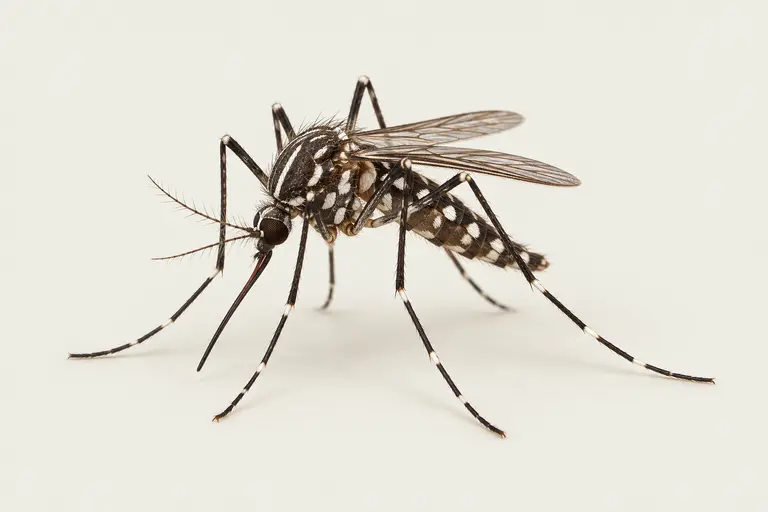
Aedes mosquitoes are black with white stripes and bite mainly in the day. They spread dengue, Zika and chikungunya, and breed in clean stagnant water in and around homes.
Weekly breeding prevention
Follow NEA’s Mozzie Wipeout routine:
Turn pails over and store them under shelter
Remove water from flower pot plates
Loosen soil in potted plants
Clear blockages and put BTI insecticide in roof gutters
Cover bamboo pole holders when not in use
Hidden breeding spots
Toilets and floor traps in unused rooms
Aircon trays and fridge drip trays
Vases and pet water bowls left for days
Leaf axils of plants and tree holes
Too many mosquitoes at home?
Our licensed technicians can inspect and treat — same-day slots available.
Use repellent, wear long sleeves at dawn and dusk, and install window screens.
When professional mosquito control helps
Landed homes, condos, construction sites and businesses with gardens benefit from scheduled mosquito control — inspection, larviciding and fogging during high-risk periods.
FAQ
Frequently asked questions
Can’t see your question? Call or WhatsApp us — a technician will answer directly.
How often should I check for mosquito breeding?
At least once a week — eggs hatch and develop into adults in about a week.
Does fogging prevent dengue?
Fogging kills adult mosquitoes present; breeding prevention is what reduces risk long-term.
Pest control price guide: how to compare quotes in Singapore
What drives the price of pest control — and how to compare quotes like for like.
By the PestControlSingapore technical team · Reviewed by our in-house entomologists · Updated 2 Nov 2026 · 6 min read
Short answerThis pest control price guide comes down to five things that drive cost in Singapore: the pest, the size of the property, how severe the problem is, the method used, and the number of visits included. The cheapest quote often leaves out follow-ups or uses untargeted spraying. Compare quotes on method, visits, warranty and reporting — not just the headline price.
What drives the price
Pest — bed bugs and termites need multi-visit programmes
Property size — a 5-room flat or landed home takes longer
Severity — established infestations need more work
Method — baiting, soil treatment, steam and proofing have different costs
Visits & warranty — follow-ups cost more but work
Typical price ranges
See our live pest control price list for starting prices for cockroaches, ants, bed bugs, termites, rats, mosquitoes and contracts.
Want an exact price?
Our licensed technicians can inspect and treat — same-day slots available.
How to get rid of rats and keep them out — signs, entry points, traps vs baits and prevention.
By the PestControlSingapore technical team · Reviewed by our in-house entomologists · Updated 2 Nov 2026 · 6 min read
Short answerTo get rid of rats in Singapore, confirm the activity (droppings, gnaw marks, noises), find and seal entry points, remove food and harbourage, and use traps or secured bait stations along runways. Rats return if entry points stay open — proofing is the step most people skip.
Which rodent is it?
Norway rats burrow and live at ground level around drains and bins. Roof rats climb and nest in ceilings and false ceilings. House mice are small and get in through tiny gaps.
Signs of rats
Droppings along walls and in cabinets
Gnawed cables, packaging and doors
Scratching in the ceiling at night
Grease marks along walls and beams
Find how they’re getting in
Check gaps around pipes, aircon trunking, doors, vents and roof eaves. Rats can squeeze through holes about 2 cm wide; mice through even smaller gaps.
Rats in your home or business?
Our licensed technicians can inspect and treat — same-day slots available.
Traps are best indoors — no risk of a rat dying in a wall void. Bait should only be used in tamper-resistant stations, away from children, pets and food.
Rat prevention tips
Bag and bin food waste daily; keep bins lidded
Store food in hard containers
Trim trees and vines touching roofs
Seal gaps with rodent-proof materials
When to call a professional
Any rat in a food premises, or persistent activity at home, needs professional rodent control — including proofing.
FAQ
Frequently asked questions
Can’t see your question? Call or WhatsApp us — a technician will answer directly.
Do rats carry disease in Singapore?
Rats can spread leptospirosis and contaminate food. Clean droppings with gloves and disinfectant.
Termite signs in Singapore and how to prevent damage
Spot termites early, cut the risk at home, and know when to call for an inspection.
By the PestControlSingapore technical team · Reviewed by our in-house entomologists · Updated 2 Nov 2026 · 6 min read
Short answerEarly termite signs in Singapore include pencil-thin mud tubes on walls and door frames, hollow-sounding or soft timber, discarded wings near windows after rain, and bubbling paint. To prevent termites, fix leaks, keep wood away from soil, avoid mulch against walls, and book an annual termite inspection — especially for landed homes and before renovation.
7 signs of termites
Mud tubes on walls, pipes and skirting
Hollow-sounding door frames and cabinets
Discarded wings near windows and lights
Bubbling paint or warped wallpaper
Doors and drawers that suddenly stick
Small pellet piles (drywood termites)
Soft, damaged flooring
Termite swarms after rain
Winged termites (alates) often swarm around lights in the evening after rain. A swarm indoors suggests a colony nearby — sometimes inside the building.
Seeing mud tubes or swarmers?
Our licensed technicians can inspect and treat — same-day slots available.
Warehouse pest prevention tips for Singapore operators
Practical housekeeping and monitoring habits that keep rodents and stored-product pests out of your warehouse.
By the PestControlSingapore technical team · Reviewed by our in-house entomologists · Updated 2 Nov 2026 · 6 min read
Short answerTo prevent pests in a Singapore warehouse, keep dock doors closed when not in use, inspect inbound goods, store stock off the floor and away from walls, clean under racking, rotate stock, fix gaps and damaged door seals, and run a monitored pest programme with perimeter rodent stations and pheromone traps for stored-product insects.
10 warehouse pest prevention tips
Keep dock doors shut when not loading; fit strip curtains or rapid doors
Inspect inbound goods for gnawing, droppings, webbing and insects
Leave a 45 cm inspection gap between stock and walls
Store off the floor on pallets or racking
Clean under racking — spilled product feeds pests
Rotate stock (FIFO) so goods don’t sit for months
Fix door seals and gaps around pipes and cables
Manage waste — lidded bins away from doors
Control vegetation along external walls
Monitor with numbered rodent stations and pheromone traps
Need a warehouse programme?
Our licensed technicians can inspect and treat — same-day slots available.